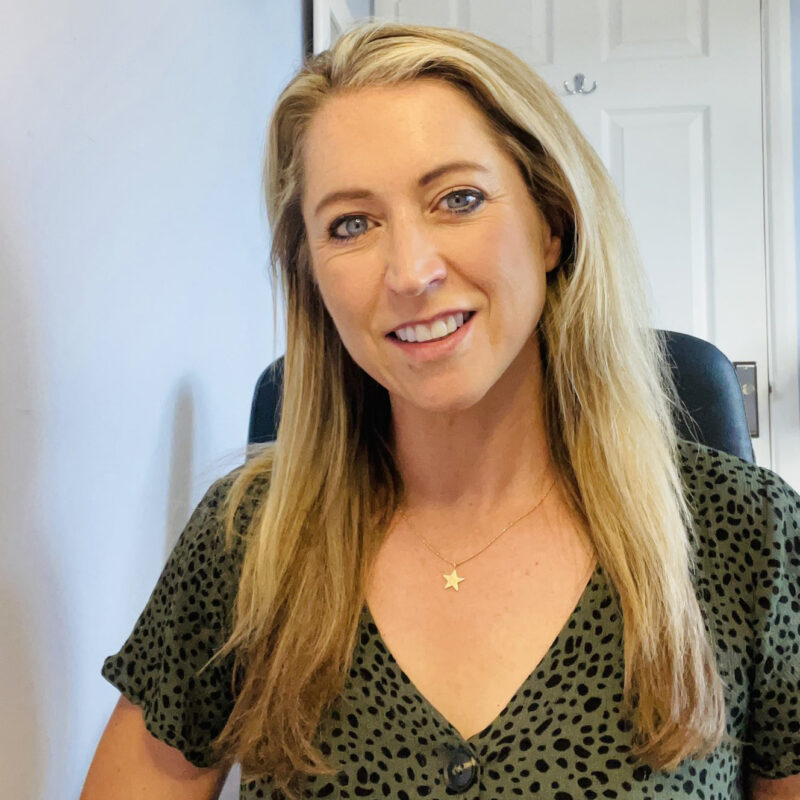
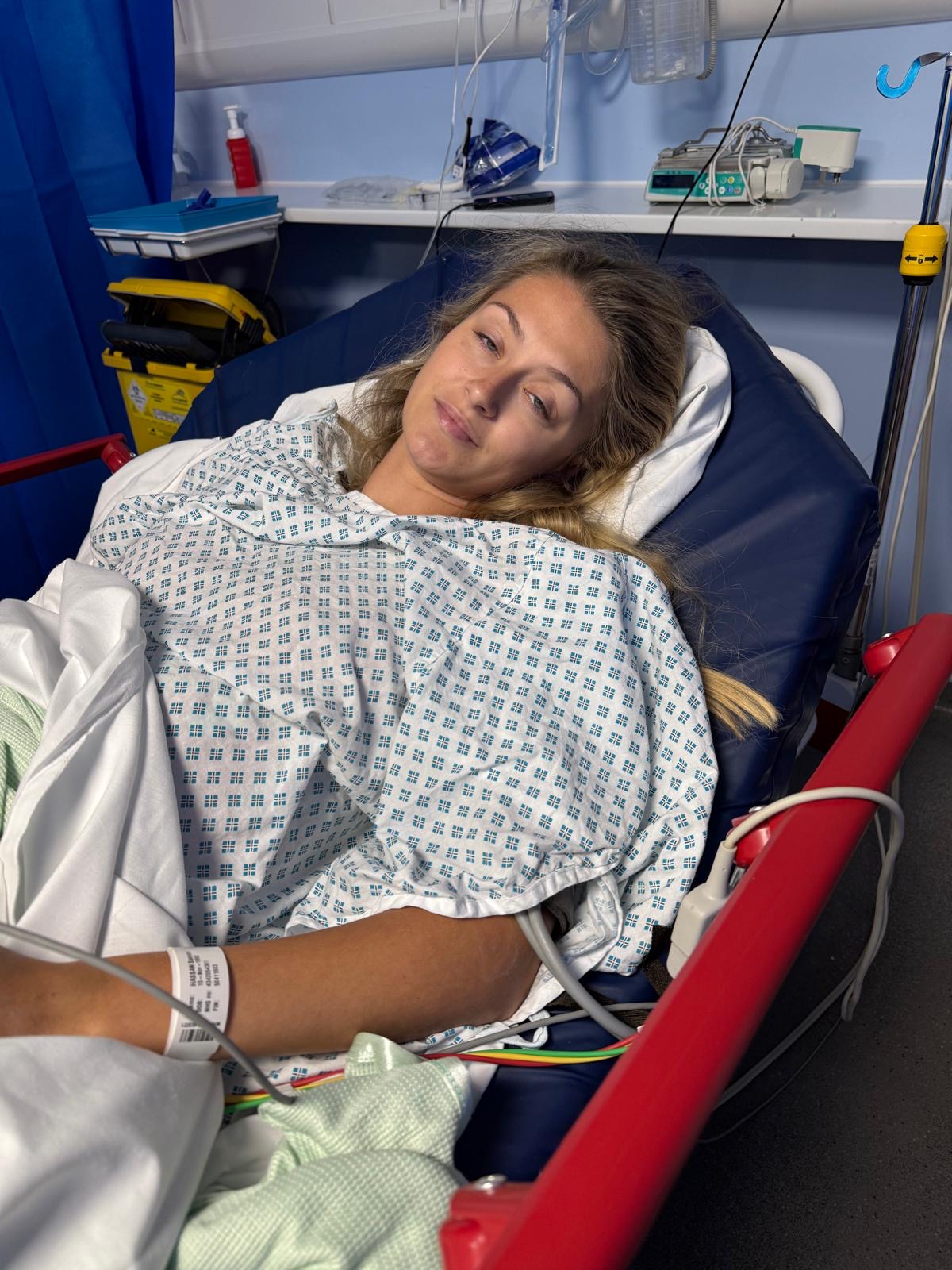
After surviving early-stage sepsis during pregnancy in 2023, Sammi Hassan nearly lost her life to sepsis and septic shock following routine surgery in September 2025.
Now living with Post Sepsis Syndrome, she is calling for faster recognition, better aftercare, and greater awareness of the long road to recovery.
Sammi Hassan had already survived sepsis once before. In March 2023, while pregnant, she developed pneumonia and was diagnosed with very early-stage sepsis. Doctors caught it quickly and treated her with intravenous antibiotics in hospital, followed by a course at home. She went on to make a full recovery and gave birth to her daughter in October 2023, returning to good health.
Two years later, Sammi faced sepsis again. On 17 September 2025, Sammi underwent planned single-port robotic surgery to excise endometriosis. The procedure went well and she was discharged the following day. Everything seemed normal.
Two days later, on 19 September, Sammi was at home when she was hit by a sudden, intense pain in her abdomen.
“It was breathtaking,” she said. “I tried to ride it out after being told it was likely ‘normal’, but it just kept getting worse.”
Within two hours, Sammi’s condition rapidly deteriorated. Her hands, lips and nose became ice cold and discoloured. She was in severe pain and overwhelmed by a powerful feeling of doom.
“I felt like something really bad was happening,” she said.
Because of her earlier experience with sepsis, Sammi recognised the signs. Her mum called an ambulance and told the call handlers that they were worried it could be sepsis, but Sammi says the response felt dismissive. Fearing her condition was worsening too quickly, her family made the decision to get her to A&E themselves.
“When they saw me on arrival, everything changed,” Sammi said. “I was immediately assessed and wheeled straight into resus.”
Doctors began treating Sammi for sepsis straight away. A CT scan revealed a perforation in her small bowel, causing faecal peritonitis. Her condition was deteriorating rapidly.
“The doctors told my parents I had an hour and that they needed to operate immediately,” she said.
At home, Sammi’s husband was with their children. Fearing the worst, Sammi asked her mum to send them a photo of her smiling.
“I wanted them to have a lasting memory of me, and to show them I was okay,” she said. “I genuinely thought that was it.”
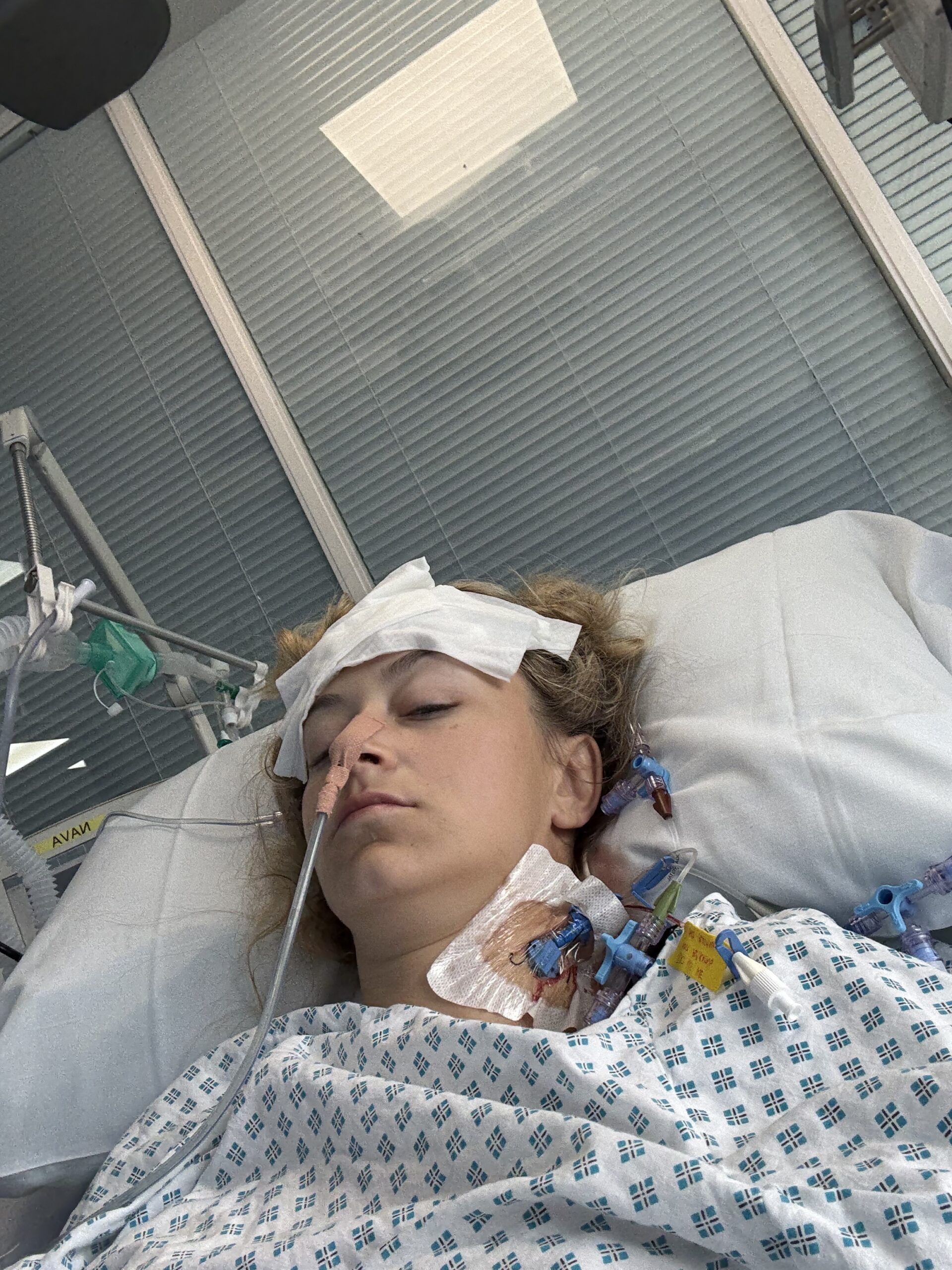
Sammi went into surgery at 10.30pm. Surgeons repaired the bowel perforation, but she had already developed septic shock. She was placed into an induced coma and transferred to intensive care.
“When I woke up, I had a ventilator in, vasopressors running and tubes everywhere,” she said.
After five days, there was little improvement and Sammi had to undergo further surgery. She spent nearly three weeks in hospital, moving between ICU, the high dependency unit, and later a general ward.
“The intensive care and HDU staff were exceptional,” she said. “They saved my life.”
Once transferred to a regular ward, however, Sammi’s experience changed dramatically.
“I felt unsafe,” she said. “The sepsis was still raging.”
For two to three weeks, doctors struggled to get the infection under control. Sammi experienced whole-body sweats, uncontrollable shivering, severe tachycardia, hallucinations and panic attacks.
“I felt hopeless and desperate to get better,” she said. “I was the most unwell I’d ever been in my life. I felt like I’d been permanently damaged.”
Sammi was eventually discharged, but felt left to her own devices when it came to recovery.
“I was sent home with no support,” she said. “I had to proactively seek help privately, and I know not everyone is in the position to do that.”
Today, Sammi is living with Post Sepsis Syndrome and is still in recovery. She is supported by physiotherapists, dietitians, consultants and EMDR therapy to help manage both the physical and psychological impact of her illness.
“The support I’ve received since discharge has been crucial,” she said. “Without it, I don’t know where I’d be.”
Looking back, Sammi says recognising the symptoms and acting quickly saved her life.
“I’m so glad we acted fast,” she said. “I wish I could tell myself that with the right support in place, you *will* get better. Recovery is hard and life looks very different for a while – but it’s worth it.”
By sharing her story, Sammi hopes others will trust their instincts.
“If you feel unwell, always think: could it be sepsis,” she said. “Act quickly. It doesn’t matter if it’s a false alarm.”
She also wants fellow survivors to know they are not alone.
“There is help and support out there,” she said. “With the right resources, we can recover, thrive, and live the lives we were meant to live.”
For healthcare professionals, Sammi has a clear message: “I want ambulance teams to always think: could this be sepsis – and take it seriously. Ward staff also need training to understand and empathise with patients who are actively dealing with sepsis or recovering from it. Their journey looks very different to others.”
“Better follow-up support for sepsis survivors should be non-negotiable,” she added.
Now, Sammi is determined to use her experience to help others.
“I will do everything in my power to spread awareness of sepsis,” she said. “If sharing my story helps save even one life, it will be worth it.”