
PPIE FOR RESEARCHERS

48,000 people die from sepsis-related illnesses every year in the UK, and around 40% of people who develop sepsis go on to experience physical, cognitive, and/or psychological after effects. There’s also significant impact on families and carers.
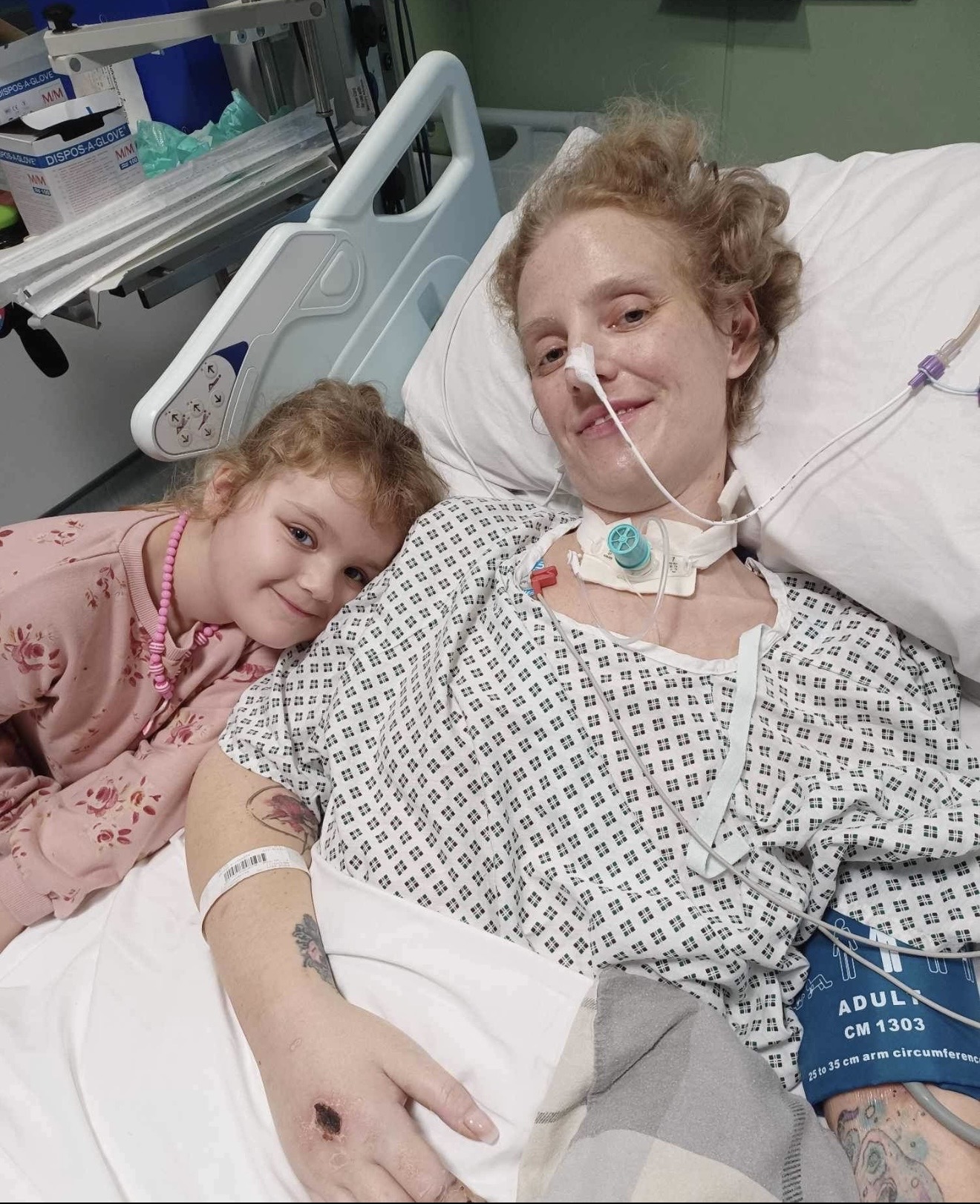
Crucially, there’s no single experience of sepsis. By involving people with lived experience – including survivors, families, and carers – you can ensure your research is relevant, diverse, impactful and focuses on research that has the greatest chance of improving sepsis outcomes.
Patient and Public Involvement and Engagement (PPIE) should therefore be considered from the earliest stages of research, rather than added once the research has already been designed.
On this page, you’ll find everything you need to know about how to request patient support, planning your research, and supporting contributors.
How to register and request PPIE support
If you’re a research organisation developing a sepsis-related research project or funding application, we can connect you with people who have lived experience of sepsis to help strengthen your research. This includes survivors, families and carers.
Please get in touch as early as possible to discuss your PPIE requirements. When making a request, it is helpful to provide the following, if available:
- A brief overview of your research.
- What you would like people with lived experience to contribute to.
- The stage your research is at.
- The type of experience or perspectives you are looking for.
- Your timescales and key dates.
- Any accessibility or support requirements.
- The budget available for PPIE.

How can people with lived experience contribute?
Research organisations should give people affected by sepsis meaningful opportunities to influence:
- Research priorities, sepsis research questions and study design.
- Outcomes, measures and the acceptability of research.
- Recruitment, retention and participant-facing materials.
- Interpretation, dissemination and implementation of findings.
- Research governance and oversight.
Supporting contributors who have experienced sepsis
People affected by sepsis may have ongoing physical or psychological effects. PPIE should therefore be flexible and accessible, and consider everything from flexible scheduling and accessibility needs to interpreters and reasonable expenses.
Research organisations should also consider emotional wellbeing, particularly where involvement may include discussion of difficult experiences such as intensive care, bereavement, disability or loss. Our team can advise on this.

For more information on taking part as a research organisation
Get more detailed guidance on planning, delivering and evaluating meaningful involvement in sepsis research.
Protect your wellbeing
Sharing your experience of sepsis can be rewarding, but it can also bring back difficult memories or emotions. Your wellbeing should always come first, so it’s completely okay to set boundaries or take a step back if it doesn’t feel right for you.
We have guidance available to help you look after your wellbeing before, during and after PPIE research.