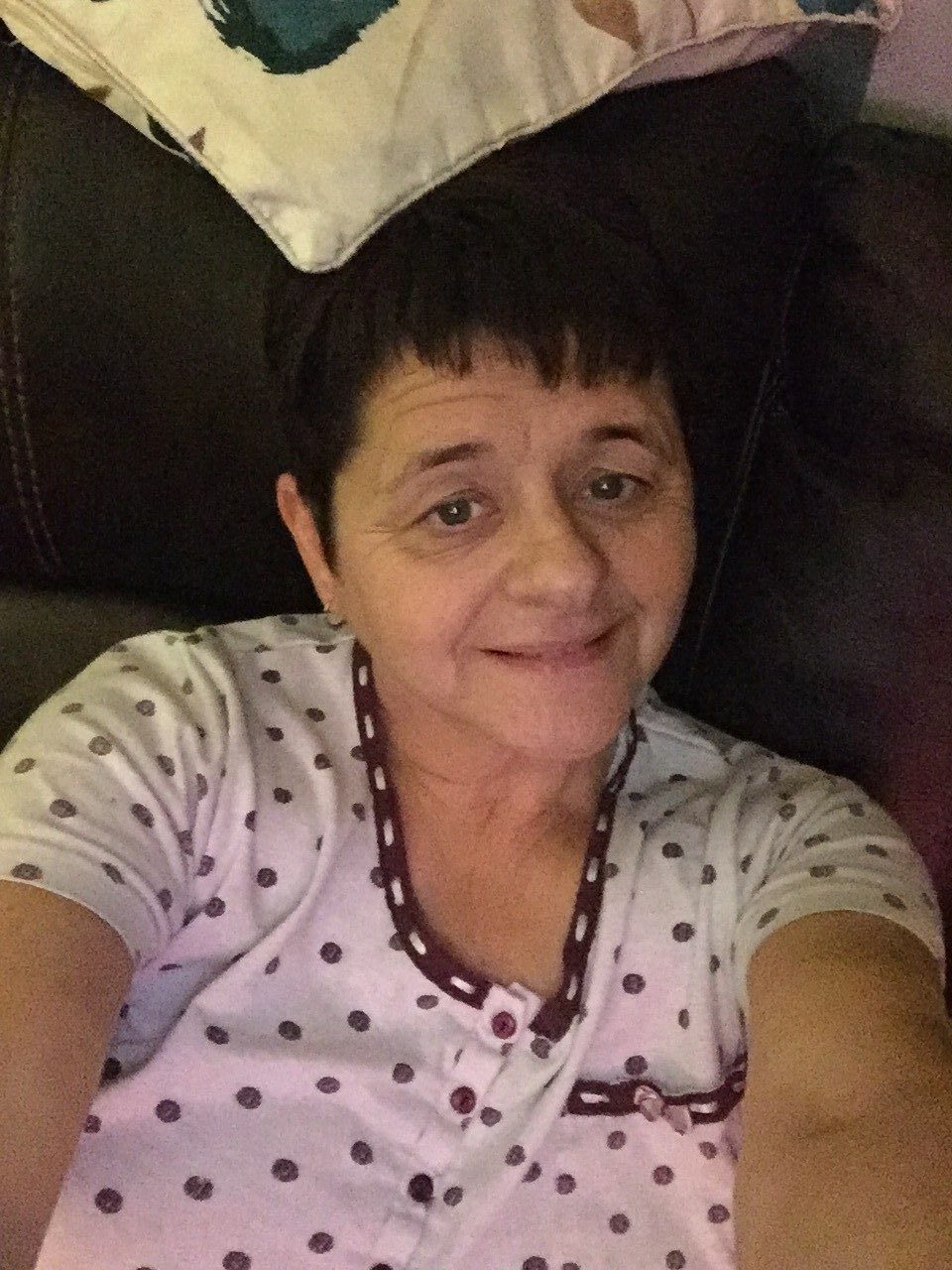
Paula has lived with the consequences of a mesh implant for over 25 years – and multiple life-threatening episodes of sepsis.
She’s sharing her story in partnership with Sling The Mesh, to help raise awareness of how quickly sepsis can strike, and the importance of recognising the signs early.
When Paula Cairnduff went into hospital in 1999 for what was described as a simple procedure to treat incontinence, she was told it would be “a 20-minute operation, in and out.”
But the procedure, which involved the insertion of surgical mesh, didn’t go as planned.
“They damaged all my nerve endings, and I ended up with no control whatsoever,” Paula said. “I wasn’t aware that they were putting mesh into me, and it was never explained to me at all.”
Since then, Paula has experienced multiple episodes of sepsis, which she believes are linked to infections caused by the mesh implant.
“I’ve had many, many episodes of mesh infection, and they usually happen when I have a urine infection,” she said. “It can turn into urosepsis very quickly – and I was never made aware that this could happen to me.”
Paula first developed sepsis not long after the initial procedure.
“The first time, I didn’t even know I had it,” she recalled. “I had a really high fever, I was in absolute agony, I was cold and hallucinating. Now, I don’t even get a warning anymore; I can go to bed fine and wake up in the middle of the night with full blown sepsis.”
Her most recent episode was in March this year, when she fell ill suddenly and had to be taken to hospital by ambulance.
“I had no warning – I just took sick, and by nighttime I knew I needed an ambulance,” Paula said. “They blue-lighted me to hospital. Each time I get it, it’s harder to fight. I feel totally exhausted afterwards.”
Although Paula now knows more about sepsis, she says that it still happens “so quickly.”
“When I first had sepsis, I knew nothing,” she said. “Now I’m more aware, but it can take over in no time. I feel like I’m going to die each time, and I get really scared that I won’t be able to fight it.”
Paula wants others living with mesh implants to be made aware of the potential risk of infection and sepsis, and has been working with campaign groupt Sling The Mesh to help raise awareness about the effects of mesh implants.
“I feel that people with mesh implants should be told about the potential for infection, especially sepsis,” she said. “They should be sent home with a card that explains what signs to look out for.”
Her message to others is simple: don’t ignore the warning signs.
“Sepsis is so scary, and many people don’t know they have it until they’re really sick, like me,” Paula said. “Please, if you show any symptoms, don’t ignore them – go straight to the hospital. It might just save your life.”
Learn the signs, get #SepsisSavvy today
Listen to our podcast episode with Sling the Mesh’s Founder Kath Sansom.