
Emma Musson was just 18 and finishing her first year at university when she developed sepsis following a perforated appendix that was initially mistaken for a minor illness. What began as abdominal pain and nausea during a shift at work quickly escalated into organ failure, emergency surgery and a prolonged hospital stay.
After weeks in hospital, further complications and nearly a year of recovery at home, Emma survived. Now, she is sharing her story to highlight how quickly sepsis can develop – even in young, otherwise healthy people – and why it’s vital to trust your instincts and ask: could this be sepsis?
At the end of the summer holidays in 2014, Emma was working a shift at a pizza restaurant when she was suddenly hit with a sharp pain in her side and waves of nausea. She pushed through the discomfort, finished her shift and drove home, assuming it was something minor that would pass.
“I pushed through, finished my shift, and drove home,” she said. “But the pain didn’t fade. It intensified.”
At home, something else felt off too.
“From that moment on, my dog Charlie wouldn’t leave me alone. He stayed pressed against me, watching, whining softly,” she said.

Charlie wouldn’t leave Emma’s side
Emma dismissed both the pain and Charlie’s behaviour. She was young, fit and healthy, and assumed she had picked up a stomach bug. Over the next few days, however, she failed to improve.
Concerned, her mum took her to a walk-in centre, where she was diagnosed with gastroenteritis and advised to rest. Instead of easing, though, the pain worsened.
Eventually, it became unbearable. After calling NHS 111, Emma’s mum drove her to A&E, where, following hours of waiting, she was admitted with suspected appendicitis. The following day she underwent keyhole surgery, which revealed her appendix had perforated.
“It was gangrenous and badly infected,” Emma said.
What followed was far from straightforward. Doctors struggled to find antibiotics that worked, and Emma required multiple procedures to insert drains, some of which were carried out while she was awake.
After several days, she was discharged with antibiotics and the hope that the worst was behind her. But her body was still fighting something far more serious.
Back at home, Emma deteriorated again. She lost her appetite completely, stopped eating and drinking, and became increasingly weak. Once again, Charlie refused to leave her side.
Her mum rushed her back to hospital, where they were told she still had “a little bit of sepsis” and needed extended antibiotics. Emma was sent home.
Within 24 hours, her condition worsened dramatically. She drifted in and out of consciousness, barely aware of her surroundings and unable to make sense of what was happening.
“I felt frightened and confused as my body became weaker and the pain continued to worsen despite being told it was not serious,” she said.
A visit to a walk-in centre resulted in her symptoms being attributed to post-surgical pain, and she was sent home again. That evening, Emma’s mum found her barely conscious, burning with a dangerously high temperature. Acting quickly, she drove straight to the hospital, parking in the ambulance bay, and with the help of Emma’s older sister carried her inside.
This time, the urgency was immediate.
“I had developed severe sepsis. My organs were beginning to fail,” Emma said.
She was rushed into emergency surgery for a major washout procedure to remove the infection. Her memories of this period are fragmented, shaped by heavy medication and long stretches of exhaustion.
As she began to stabilise, another setback followed. Her surgical wound became badly infected, requiring the removal of stitches and staples and leaving the wound open to heal from the inside out.
“It required constant packing and dressing changes, hour after hour, for weeks,” she said.
After a month in hospital, Emma was finally discharged home, where she continued to receive care for almost a year as her body slowly rebuilt its strength. The recovery was not only physical but emotional too.
“I became someone I did not recognise,” she said. “I felt frustrated, low, and disconnected from the person I had been before.”
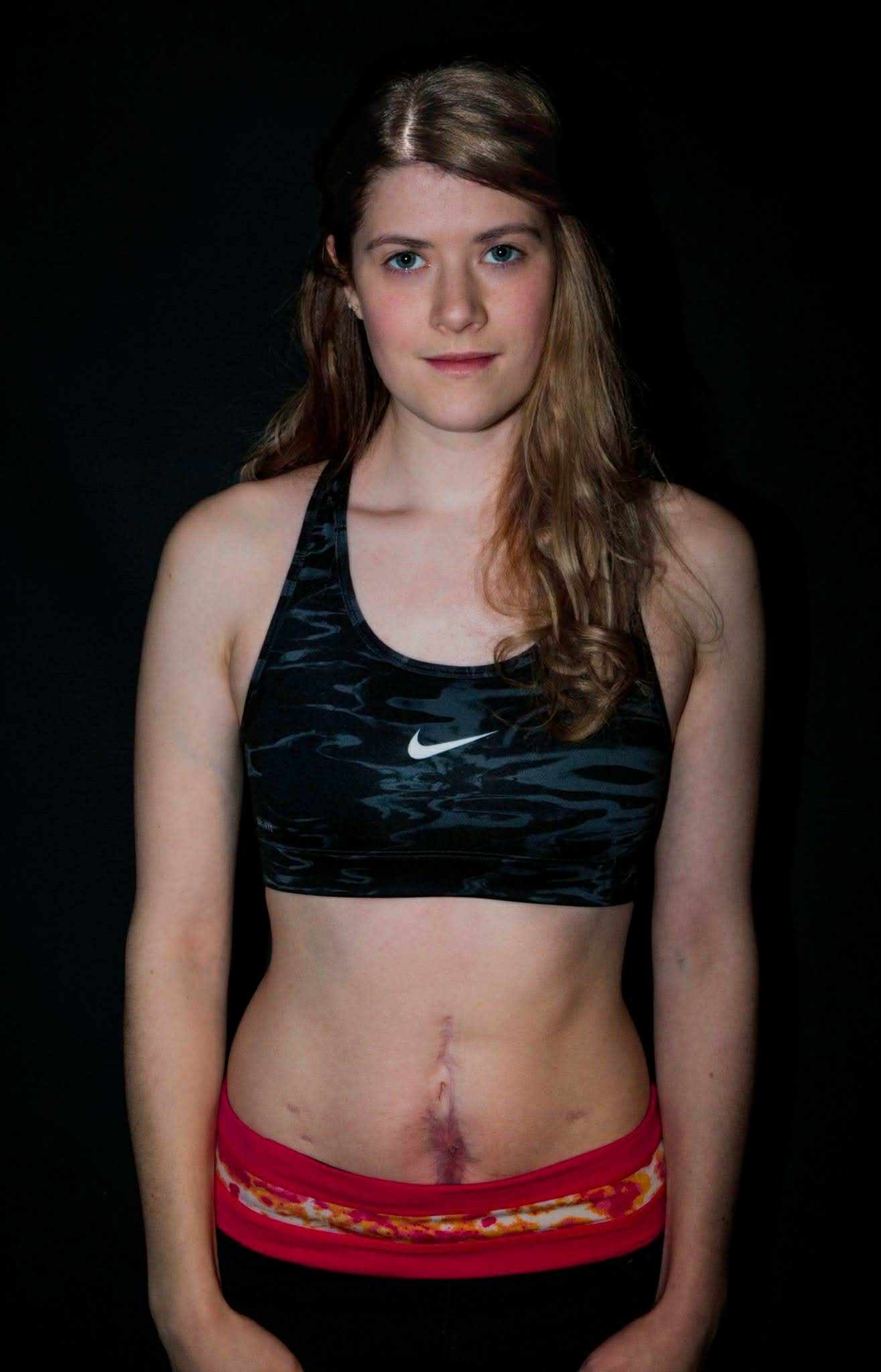
Emma wasn’t aware of UKST’s support services at the time, which is why she is motivated to share her story to help others get the help they need.
She describes feeling dismissed and uncertain during her illness, particularly when her symptoms were repeatedly attributed to less serious causes.
“I felt dismissed and uncertain when my symptoms were repeatedly attributed to minor illness or post-surgical pain,” she said.
Despite this, Emma gradually began to rebuild her confidence and strength with the support of her family and medical teams.
“Their help, patience and encouragement played a vital role in my recovery,” she said.
Before becoming ill, Emma had some awareness of sepsis through volunteering, but did not fully understand how quickly it could develop or how easily it could be missed.
“I did not realise how serious it could become, or how easily the early signs could be missed,” she said.
Looking back, she wishes she had trusted her instincts sooner: “I would tell myself to trust my instincts and to ask directly, ‘Could this be sepsis?’”
Now, Emma hopes her story encourages others to recognise the warning signs and act quickly.
“Sepsis does not discriminate by age or fitness,” she said. “Rapid deterioration is a warning sign that should never be ignored.”
Her message to healthcare professionals is equally clear: listening carefully to patients and their families can make a life-saving difference.
Despite everything she went through, Emma returned to university. After a month in hospital, multiple complications and a long recovery, she graduated with a 2:1 – and the rest of her life ahead of her.
Learn the signs of sepsis today