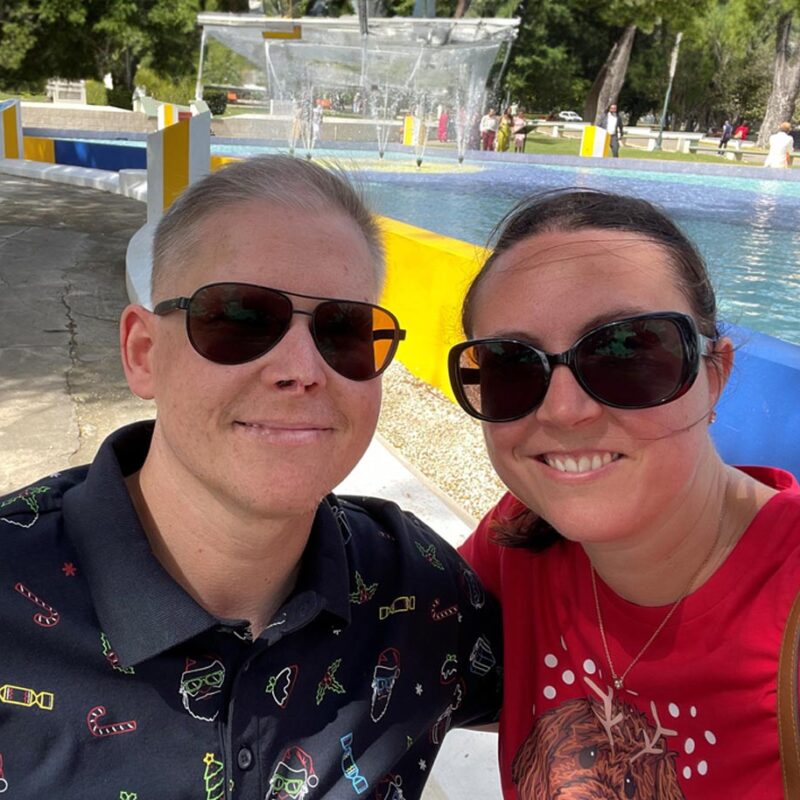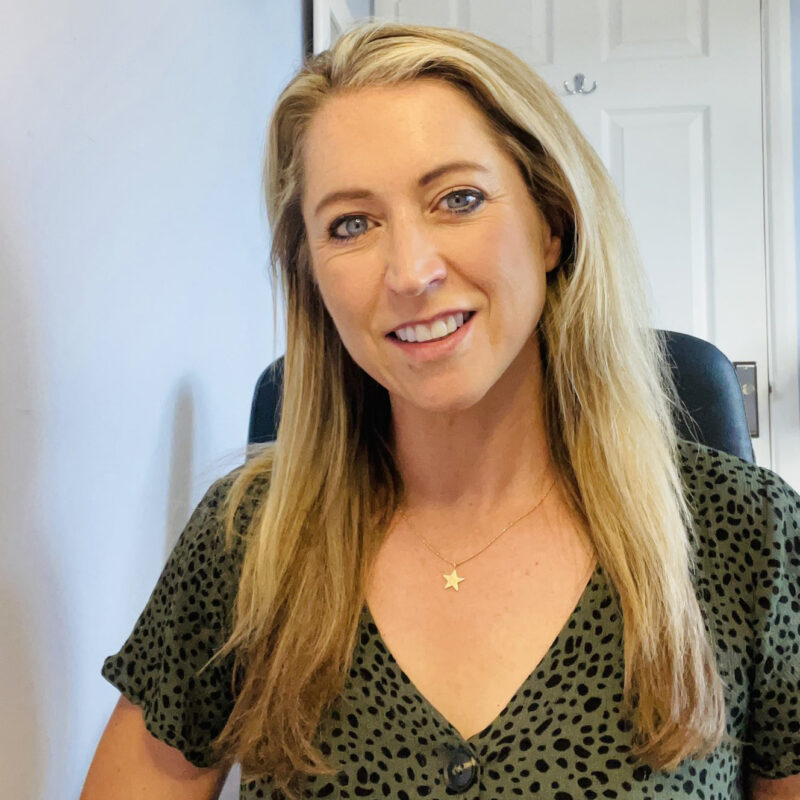

Cancer patient Jessica Murphy’s story shows the vital role that peer support and self-advocacy can play in spotting life-threatening sepsis before it’s too late…
Jessica’s life changed drastically at 36 when she was diagnosed with Waldenstrom’s macroglobulinaemia, a rare type of non-Hodgkin lymphoma typically found in older men. Already living with chronic illnesses, including arthritis and fibromyalgia, in 2017 Jessica caught an infection from her partner at the time, who had a bad cough – but she herself was initially asymptomatic.
“The day I got sepsis was an infusion day,” Jessica said. “I was feeling quite rubbish in the morning. I remember before my appointment, because I used to always go with a friend, we went to get breakfast and I remember my bags felt especially heavy that day, and my body felt especially weak.”
After being sent home following her treatment without the hospital checking her bloods – which would have shown her infection markers were up – Jessica felt extremely cold. She tried and failed to enjoy a McDonald’s, which she said tasted like sand: “My mouth felt so dry and the food just tasted really off.”
It was through friends made through Shine Cancer Support, a charity for young adults with cancer, that Jessica was encouraged to seek medical treatment. “I told them how I was feeling, and they told me to take my temperature, which was I think about 38.5°C, and I usually run at high 36s, low 37s, so I know my temperature and that’s another piece of advice that I would give other cancer patients: know what your baseline is.”
Jessica had called 111 who said they would call her back, but didn’t until hours later. Her temperature continued to rise until nearly 40 degrees, and Jessica’s friend – a fellow cancer patient and sepsis survivor – told her to tell her to call her treatment hospital and page the out-of-hours haematology team, who instructed her to go to her local A&E.
Upon arrival at A&E, Jessica was seen to quickly. She said: “I told them I was on cancer treatment, I had a really high temperature and I felt really ill.” Despite the prompt admission, Jessica’s subsequent experience in hospital was not optimal. “They put me on an open ward, which at the time I didn’t know they shouldn’t have done because I was so immunocompromised,” she said. “I was left without any fluids for quite a few hours, and I ended up having to literally go and chase the pharmacist down the corridor in order to resolve some of these issues.”
She was eventually transferred to her treatment hospital via ambulance, where she received better care and spent a further five days until she felt able to return home. Jessica is deeply concerned about how other patients might fare in similar situations. “I’m intelligent. I know about medical stuff from my experience with hospitals, and I’m very confident, and I know how to advocate for myself,” she said. “But I do worry about people who don’t have that. My advice to people would be, if you don’t feel something’s right, that is valid, and to push for what you need. Don’t be afraid to challenge doctors and nurses if you think that the care you’re getting is not correct.”
Her care team never directly told her she had sepsis – she deduced it from speaking to her peers in the cancer space, who had also had it. She said: “I think it was really bad that that wasn’t explained to me, and it did have a really significant psychological impact when I found out it was sepsis.” Now, Jessica wants healthcare professionals to take the time to educate their patients about what their bodies have gone through, and may continue to experience after discharge.
The emotional aftermath of sepsis stayed with Jessica long after her physical recovery. “I struggled with health anxiety and a fear of infection. I avoided crowds and even hearing someone cough would trigger anxiety,” she said. “I would say to somebody that’s recently coming out of sepsis that it’s OK if you don’t feel as confident as you were before. It’s normal to feel anxious about getting ill. It is normal not to trust your body and to feel like it’s let you down. But those feelings do fade with time, and it is possible to recover and to regain the confidence that you once had going out without thinking about it. You just need to be kind to yourself. Take the time that you need, but also don’t hide behind the anxiety.”
Jessica now channels her experience into advocacy. As a network leader for Shine Cancer Support and an ambassador for Blood Cancer UK, she works to educate others about sepsis and the importance of early detection. “I didn’t know what sepsis was, and I want others to be better informed,” she said. “Awareness can save lives.”
Get #SepsisSavvy and learn how to recognise the signs of sepsis today.