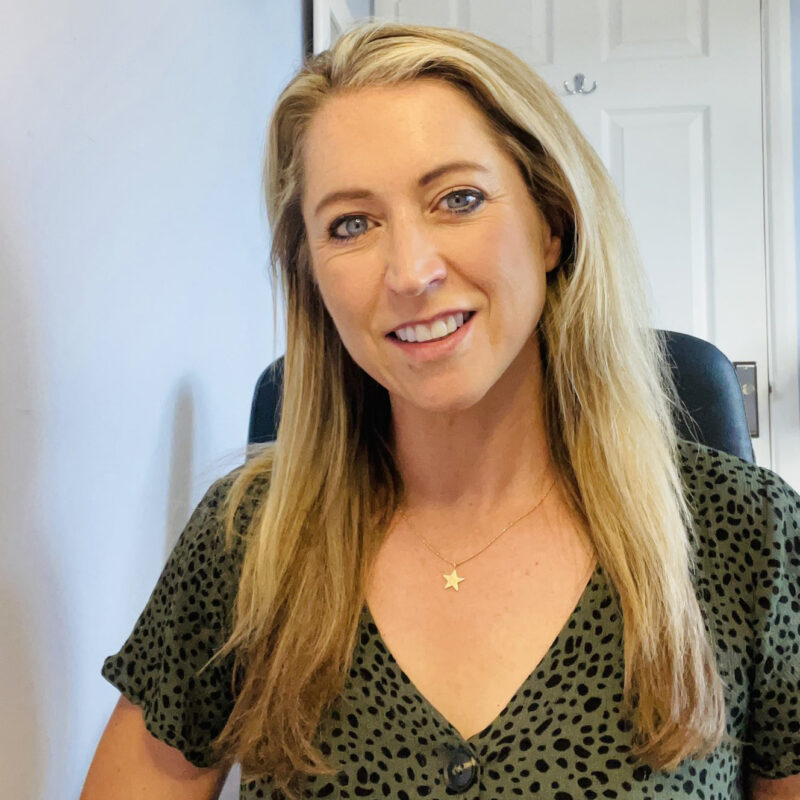
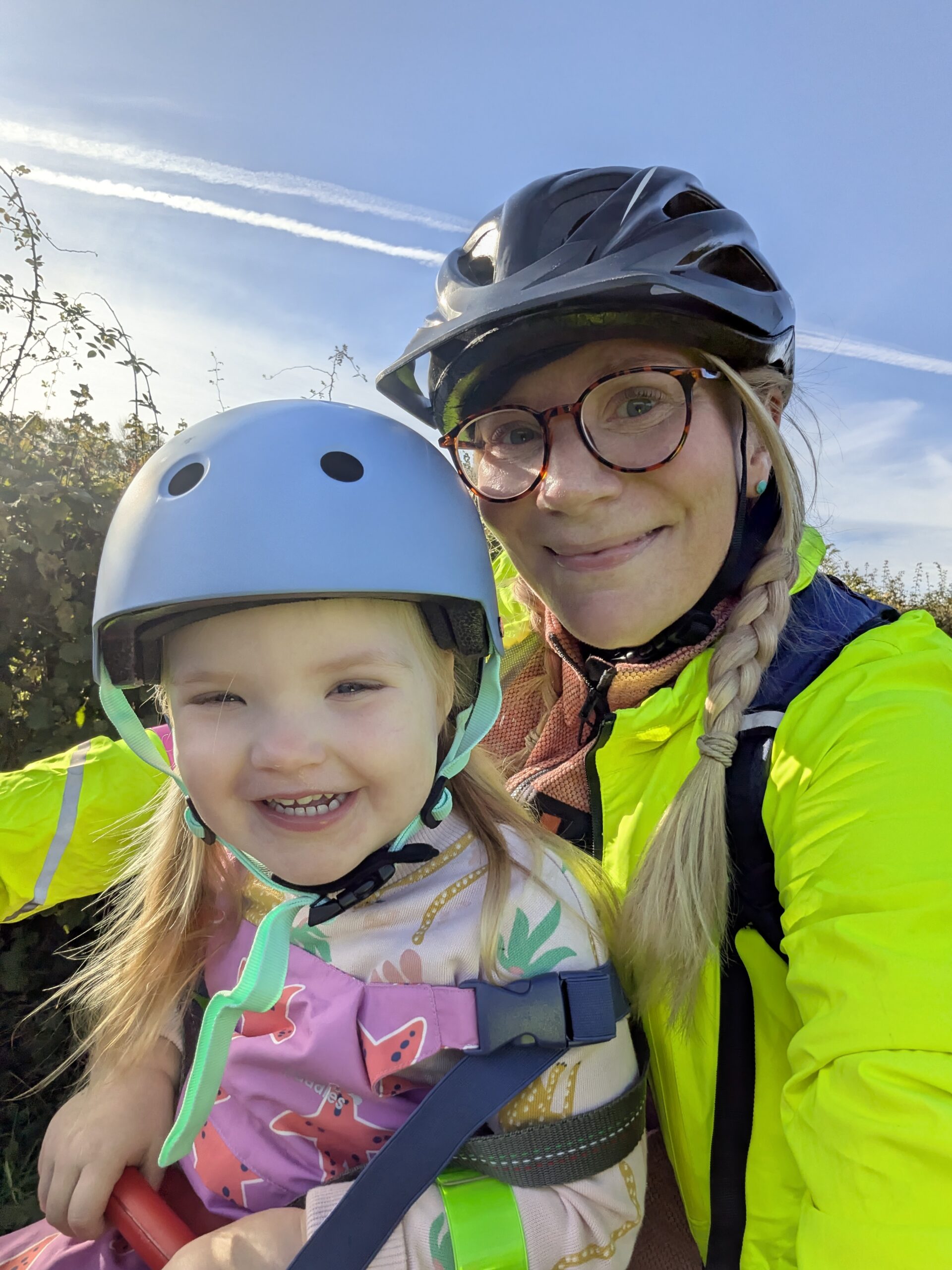
Aged just 28 at the time, radiographer Rebecca Pennington developed urosepsis after what seemed like a simple urinary tract infection. Emergency surgery to remove her left kidney saved her life.
Rebecca wants others – especially young, busy professionals like her – to know that sepsis can strike anyone, not just the elderly, and that rest and early treatment are vital for recovery.
Rebecca Pennington, 40, originally from Lancashire, was working a busy night shift at the John Radcliffe Hospital in Oxford when she first felt unwell.
“By the end I was exhausted,” she said. “But with a house move scheduled for the next day, I was determined to get the last bits of packing done before catching up on sleep.”
After a couple of hours of rest she woke feeling worse.
“I noticed I hadn’t passed much urine in 12 hours, I called the GP, had my urine tested and temperature checked, and was diagnosed with a urinary tract infection. They prescribed antibiotics and advised me to take paracetamol.”
Back home she tried to sleep again.
“I couldn’t tolerate fluids or keep the paracetamol down,” she said. “I just kept getting weaker.”
Her partner Michael, alarmed by their earlier phone conversation, left work to check on her.
“He thought it was strange I was resting when I should have been packing,” Rebecca said. “That decision saved my life. By the time he arrived I wasn’t making much sense.”
He rushed her to A&E, where doctors diagnosed urosepsis.
“I remember being overwhelmed by a sudden feeling that something was seriously wrong,” Rebecca said. “It felt as though my body was shutting down, but I didn’t understand why. I was becoming weaker and struggling to stay conscious.”
She survived but needed major surgery.
“At just 28 I required a nephrectomy to remove my left kidney. It was a tough operation, but even tougher mentally. I worried about what later life would bring with reduced kidney function.”
To this day, Rebecca has slightly reduced kidney function, but has managed to maintain good overall health.
She said: “I am not able to use certain drugs, but with careful consideration and the care of my GP, I live a normal life and have two beautiful children!”
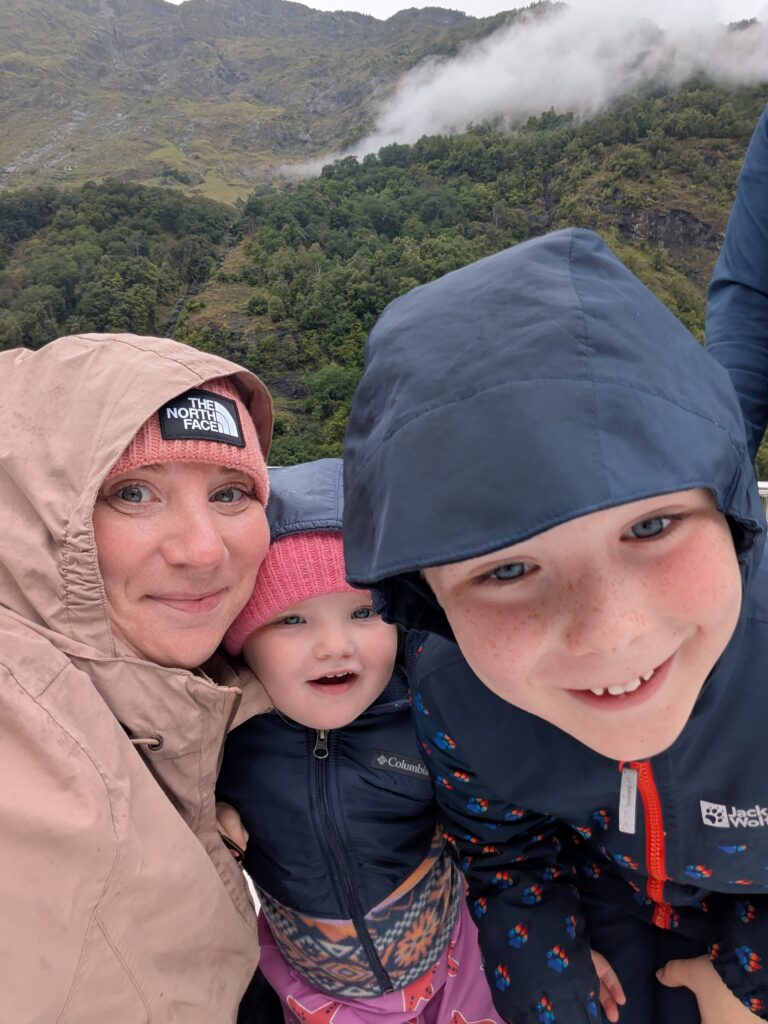
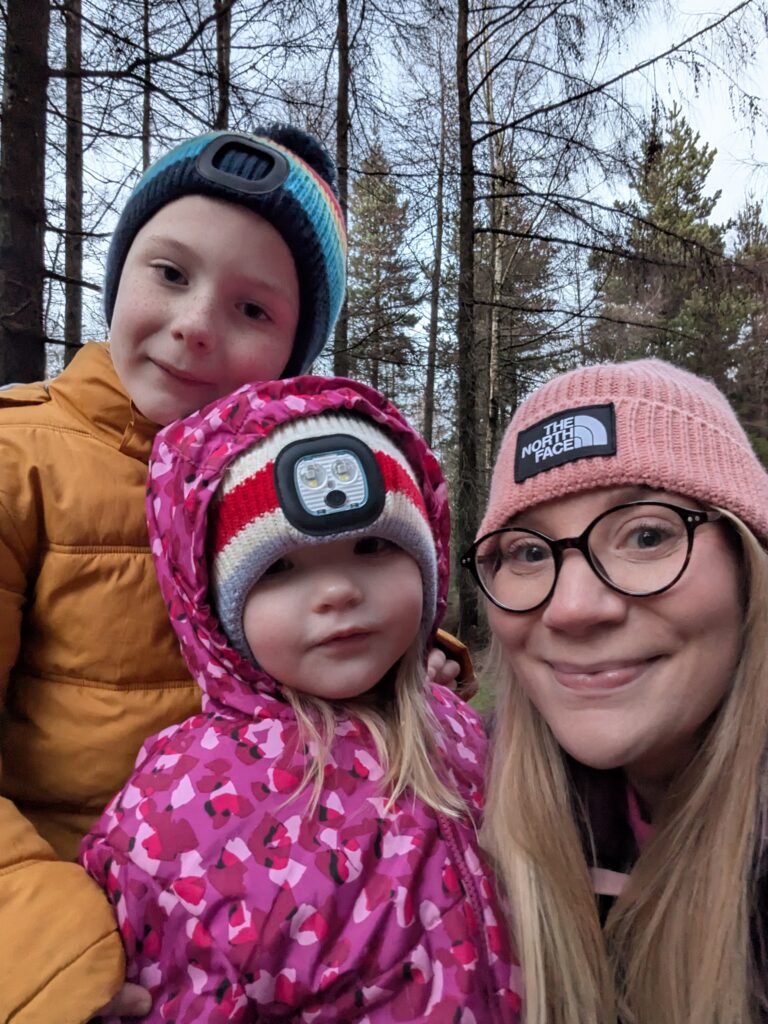
Her sepsis recovery was gradual, but Rebecca credits the NHS with saving her life.
“I’ve flourished personally and professionally thanks to their quick action,” she said. “But I wish I had known the signs of sepsis earlier. If I’d received treatment sooner, I might still have both kidneys.”
As a healthcare professional herself, Rebecca had never expected sepsis to strike someone young and fit.
“I thought it was something that affected the elderly and frail,” she admitted.
Looking back, she has some words of grace for herself that may be useful to anyone else on their own recovery journey: “Allow yourself time to recover and rest without feeling guilty. Take time off work when you are ill and don’t try to soldier on through when the warning signs are there. You can’t pour from an empty cup – your health has to come first.”
She also urges healthcare workers to trust their instincts and listen to families. “Sometimes it’s those closest to us who can see what we can’t,” Rebecca said. “My partner’s decision to leave work and check on me saved my life.”
Learn the signs of sepsis today and help protect those you love