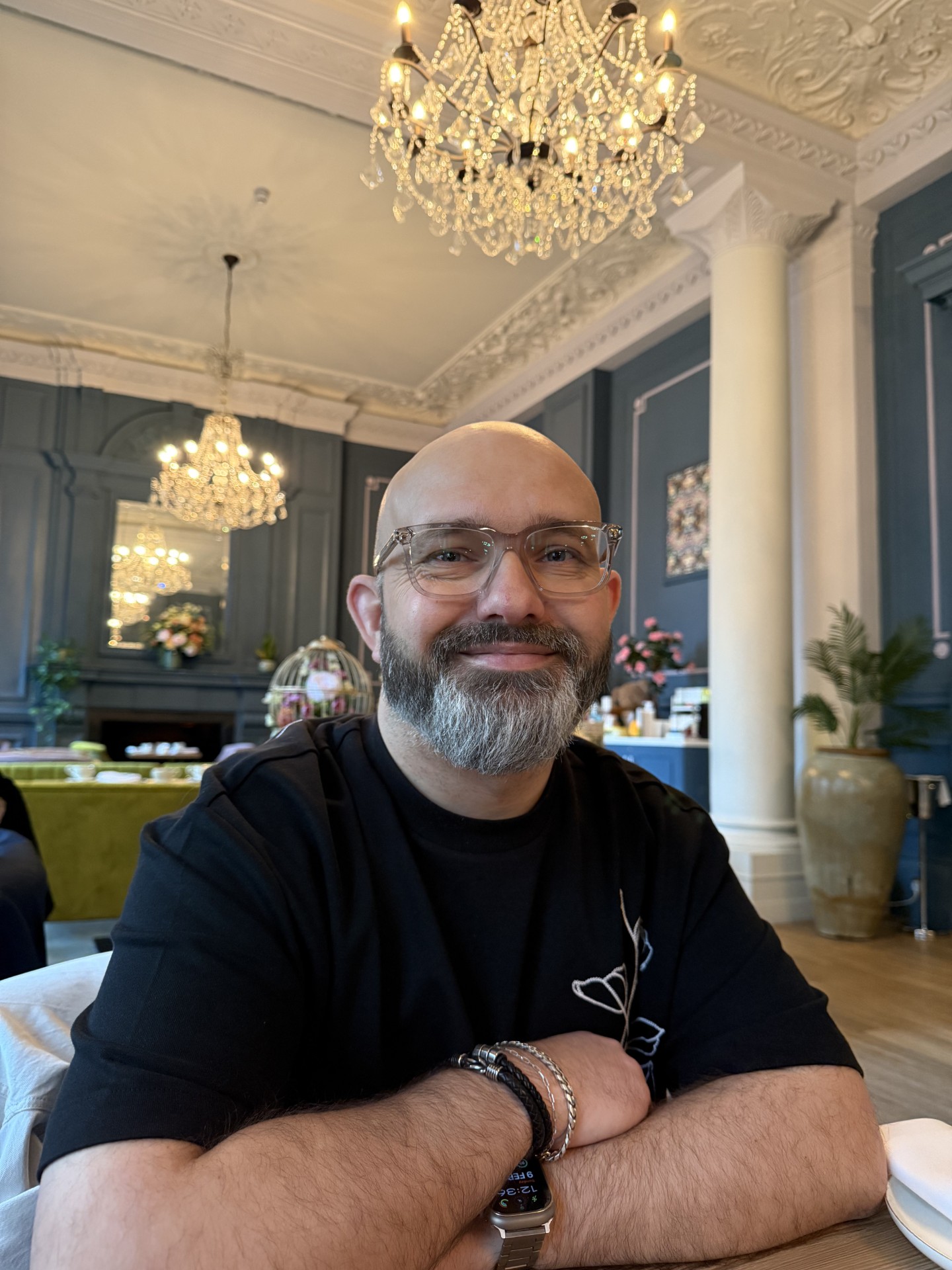
A sudden urinary-tract infection pushed kidney-transplant recipient Richard Wyatt into life-threatening sepsis. Swift action from a 111 call handler and hospital team saved his life.
Richard, who also lives with Addison’s disease and diabetes, wants others to recognise the symptoms fast and seek emergency help without delay.
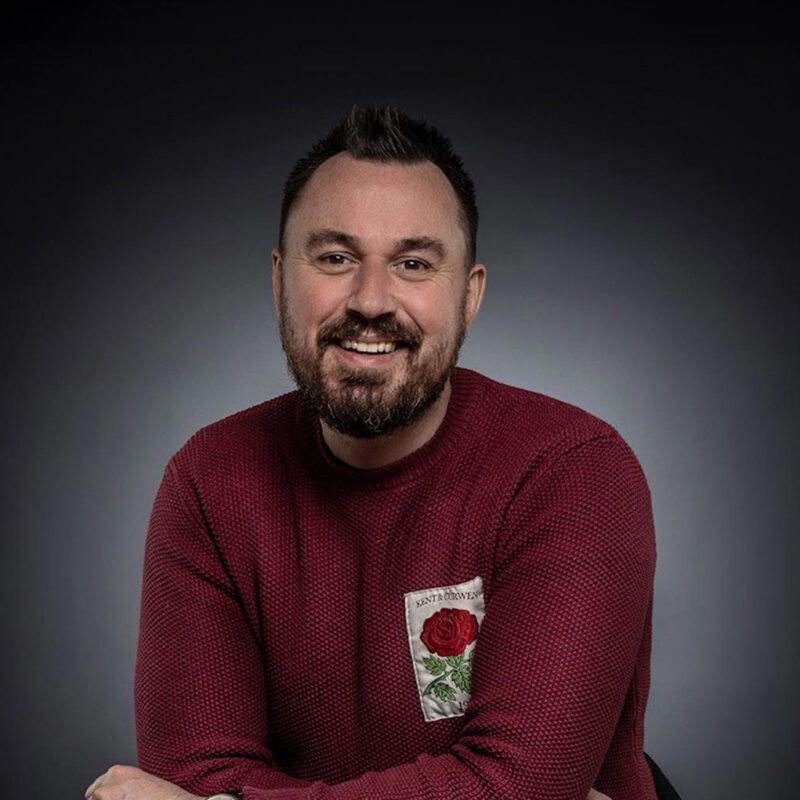
When kidney-transplant recipient Richard Wyatt, 45, from Hemel Hempstead, was prescribed a new diabetes medication in early August, he never imagined it would trigger a life-threatening infection.
“I’d only been taking Dapagliflozin for a week when things suddenly took a serious turn,” Richard said.
“On Sunday 10 August I was home alone and began to feel increasingly unwell. At first I thought it was just a high temperature, but soon I developed violent rigors, overwhelming confusion and an inability to focus. Thankfully, I called 111. The operator recognised the urgency and dispatched a rapid response team,” he added.
By the time Richard reached hospital he was already deteriorating. Doctors suspected sepsis caused by a urinary-tract infection linked to the new medication.
“Within moments I crashed into adrenal crisis,” Richard said. “My last memory was feeling groggy and leaning my head back – the next was waking up in resus, attached to multiple machines, with my wife, Karen, standing beside me in tears. I later learned just how close I’d come to losing my life.”
Richard spent eight days in hospital receiving urgent treatment. Blood cultures confirmed the infection and he was treated for low blood pressure, high respiratory rate and severe confusion.
“Sepsis was incredibly surreal,” Richard said. “I live with Addison’s disease and other chronic conditions, so I’m used to feeling unwell and managing symptoms. But with sepsis nothing I did made me feel better. I felt completely out of control.”
Now home and still on antibiotics, Richard continues to manage electrolyte issues that affect his concentration, balance and motivation.
“I feel tired a lot and sleeping is tough. My anxiety levels are very high – so are my wife’s,” Richard said. “I think it will take a long time to feel ‘normal’ again.”
Before this experience Richard thought he understood sepsis, but he didn’t realise how dangerous it could be.
“If you suspect sepsis, don’t wait: seek urgent medical attention. Without swift intervention, I might not be here today,” said Richard, who is grateful for the care he received.
“Everyone I encountered, from the 111 operator to the hospital consultants, was fantastic,” he said. “There was no hesitation in treating my symptoms and that saved my life.”